There's a particular kind of quiet panic that sets in when someone asks a simple question you should be able to answer, but can't. It happens at dinner parties, during casual conversations with colleagues, in those unguarded moments when someone asks: "So what are you saving for right now?"
The silence that follows isn't about privacy or discretion. It's the sudden, uncomfortable realization that you don't actually know. Not because you haven't thought about the future, but because somewhere along the way, your financial life became a blur of transactions, subscriptions, and vague intentions that never quite materialized into concrete plans.
The High-Earner Paradox
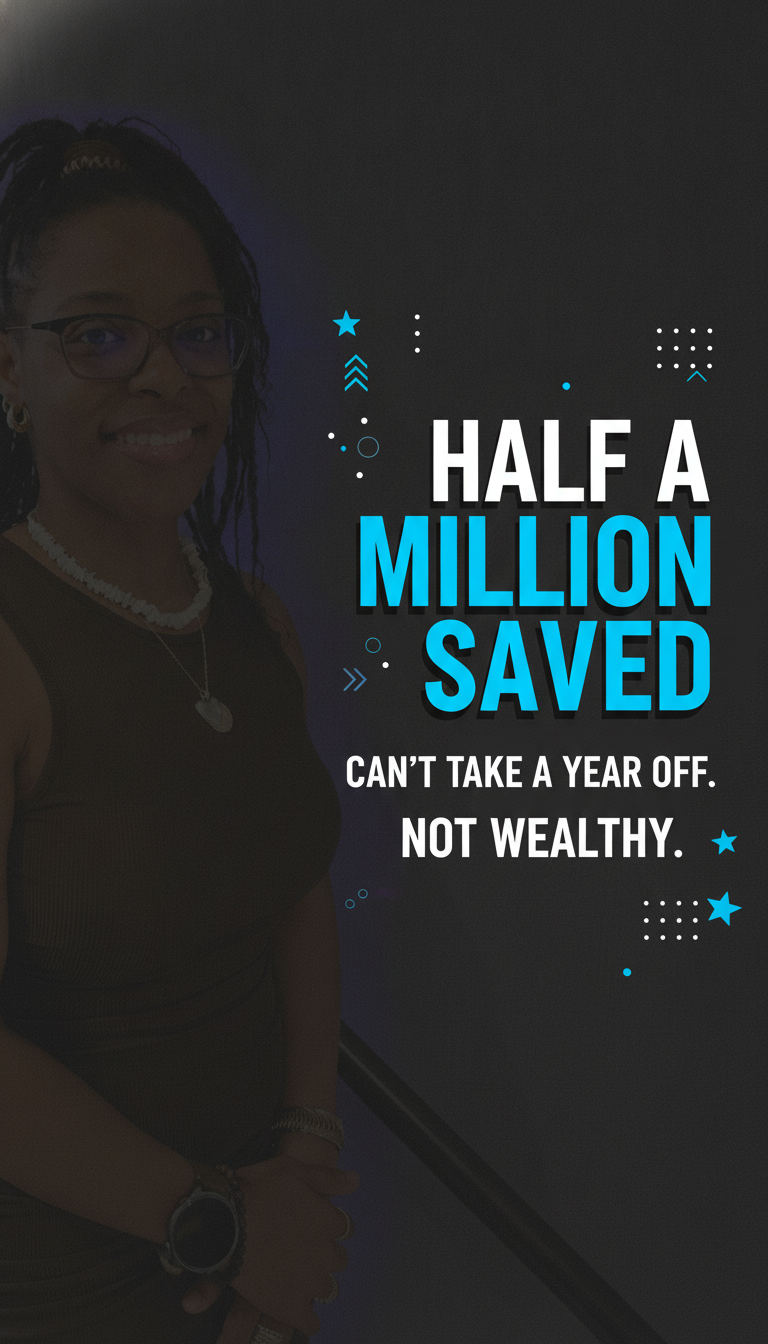
This phenomenon affects successful professionals more than almost anyone else. You've built a career, negotiated raises, maybe even changed jobs for better compensation. The money comes in reliably. Yet at the end of each month, there's rarely the surplus you expected. The math should work—your income is solid, your expenses feel reasonable—but the numbers tell a different story.
What makes this particularly insidious is that nothing feels obviously wrong. You're not living paycheck to paycheck in the traditional sense. There's no crisis, no emergency, no single devastating expense. Instead, there's a steady erosion: the lifestyle adjustments that felt justified when your income increased, the convenience purchases that seem trivial individually, the subscription services you meant to cancel, the dinners out that became dinners out three times a week.
Each decision made sense in isolation. Collectively, they've created a financial life that runs on autopilot, with no clear destination.
When Earning More Doesn't Mean Keeping More
The assumption most of us carry is that financial awareness comes naturally with financial success. If you're capable enough to earn a substantial income, surely you're capable enough to manage it. But earning and managing are entirely different skill sets, and the former doesn't automatically confer the latter.
What typically happens instead is a kind of financial drift. Income rises, expenses rise proportionally or faster, and the gap between the two remains frustratingly constant. You find yourself making more than you did five years ago, yet saving roughly the same amount—or less. The visceral goal of "just making more money" has been achieved, but the financial security you imagined would accompany it hasn't materialized.
This drift is almost invisible while it's happening. There's no single moment of failure, just a gradual loss of intentionality. The question at dinner—"What are you saving for?"—exposes what you've been too busy to notice: you're not actually steering anymore. You're just moving.
The Cost of Financial Opacity
The real damage isn't just the money that slips through your fingers, though that's significant. It's the opportunity cost of not directing your resources toward things that actually matter to you. Somewhere in your mind, there are goals: the career pivot you'd make if you had a cushion, the time off you'd take if you could afford it, the investment in yourself or your family that keeps getting deferred.
These goals remain abstract because your financial reality remains abstract. Without clarity about where your money actually goes, you can't make intentional decisions about where it should go. You're left with a vague sense that you should be doing better, without the concrete information needed to do anything about it.
The freeze at dinner isn't just embarrassment. It's the recognition that you've lost track of something fundamental. And once you see it, you can't unsee it.
From Awareness to Action
Financial clarity doesn't require a complete life overhaul or a restrictive budget that eliminates everything you enjoy. It requires an honest accounting of where you actually stand right now, not where you wish you were or where you assume you are.
That moment of uncomfortable silence at dinner is actually valuable. It's the signal that something needs to change, that the autopilot approach isn't working, that it's time to look clearly at the full picture. Most people never get that moment of clarity, or they get it and ignore it. The question is what you do next.
If you recognized yourself in that dinner party scenario, if you've felt that same uncomfortable pause when asked about your financial direction, consider taking the free Life and Wealth Audit at palymorf.com. It's designed specifically for people who are professionally successful but financially adrift—a structured way to finally see where you actually stand, so you can decide where you actually want to go.