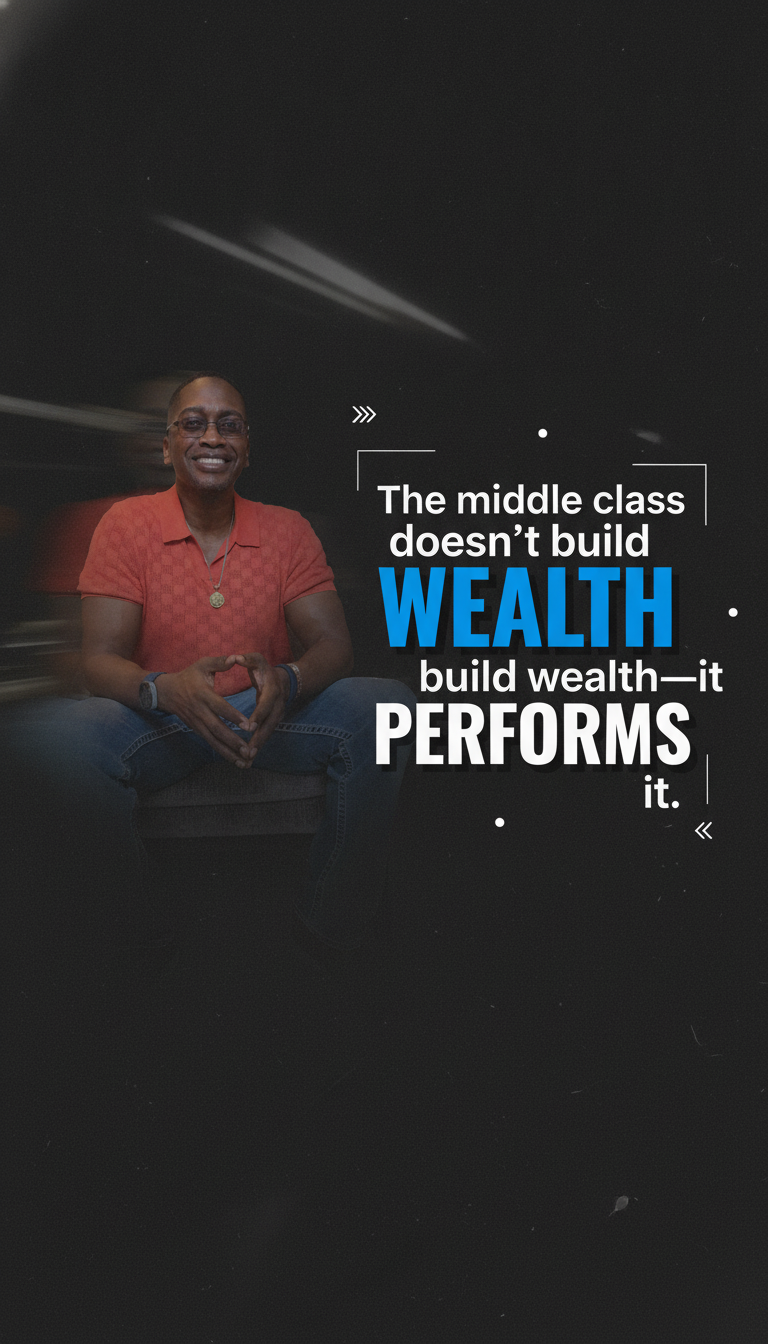
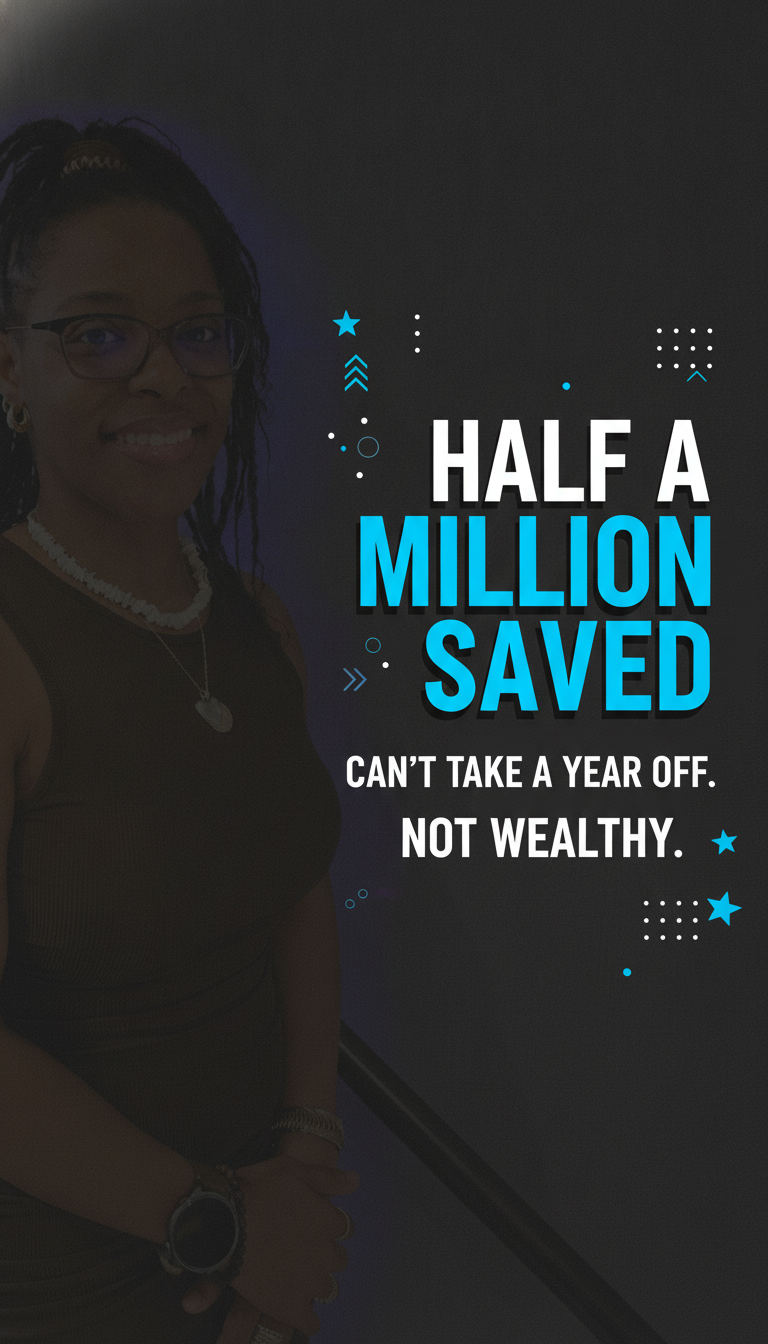
There's a particular exhaustion that comes with financial success. Not the kind that stems from scarcity or struggle, but from abundance mismanaged. You've crossed income thresholds you once thought would solve everything. The salary is comfortable. The business is profitable. The portfolio is diversified. Yet somewhere between building wealth and living well, the equation broke.
The problem isn't that you're working too hard—it's that you've built an entire identity and lifestyle around a single optimization: earning. And now that very success has created a cage made of commitments, expectations, and a calendar that controls you rather than serves you.
The Hidden Cost of Income Optimization
When you're climbing toward financial milestones, the strategy is clear: say yes to high-value opportunities. Take the client with the bigger retainer. Accept the promotion with longer hours. Launch the side venture that promises better margins. Each decision makes rational sense in isolation. Compound them over years, and you've constructed a life that's financially impressive but temporally bankrupt.
This isn't about poor time management or needing a better productivity system. The issue runs deeper. You've unconsciously trained yourself to evaluate opportunities through a single lens: financial return. That mental framework served you exceptionally well on the way up. It helped you prioritize ruthlessly, ignore distractions, and build real wealth. But the same pattern that creates income rarely creates the spaciousness required to enjoy it.
Consider what happens to your decision-making once earning becomes your primary identity. The vacation days accumulate because taking them feels like leaving money on the table. The hobbies fade because they don't produce measurable output. Relationships operate on efficiency mode—scheduled, optimized, compressed into whatever margin remains after professional obligations. You can afford nearly anything, but you've systematically eliminated the time required to actually want something beyond the next business goal.
Identity Patterns That Drive Your Choices
Why do some high earners instinctively protect their time while others compulsively fill it? The difference isn't willpower or values—it's rooted in unconscious identity patterns that shape how you prove your worth and show up professionally.
Some people build their entire self-concept around being indispensable. They need to be the person clients call first, the one who always delivers, the irreplaceable expert. Saying no feels like professional suicide, even when their bank account says otherwise. Others derive identity from visible achievement—the next milestone, the next recognition, the next zero on the income statement. Rest feels like regression.
These patterns are rarely examined because they live beneath conscious awareness. They're the water you swim in, the default assumptions about what success looks like and what you need to do to maintain it. And they continue operating even after you've reached the financial outcomes they were meant to secure. That's why simply earning more never solves the time problem—you're trying to fix a calendar issue with a solution designed for a different challenge entirely.
Auditing What Actually Works
Breaking this cycle doesn't require earning less or abandoning ambition. It requires asking a different question: what does a life that's actually working look like beyond the income statement? That question can't be answered with generic advice about work-life balance or blocking off 'me time' in your calendar. It requires understanding your specific patterns—how you currently allocate attention, what drives your professional choices, and which parts of your identity are still running on outdated programming.
The most successful people don't just track financial metrics. They audit the full picture: how their time actually distributes across a week, which relationships are thriving versus transactional, whether their daily reality reflects their stated priorities, and crucially, whether the life they're building is one they'd actually want to live in five years if nothing changed. This kind of assessment isn't a luxury—it's foundational infrastructure for anyone whose income has outpaced their intentionality.
If you're earning well but living poorly, the answer isn't working harder or optimizing better. It's auditing the framework itself. The free Life and Wealth Assessment is designed specifically for this: to surface the hidden identity patterns shaping how you earn, perform, and structure your days, so you can finally build a life that works on more than one dimension.