There's a particular kind of financial vertigo that strikes successful professionals in their late thirties or early forties. The salary has climbed steadily. The job title commands respect. Yet when they sit down to calculate their actual financial position—how long they could maintain their life if the paychecks stopped—the number is uncomfortably small. Sometimes alarmingly so.
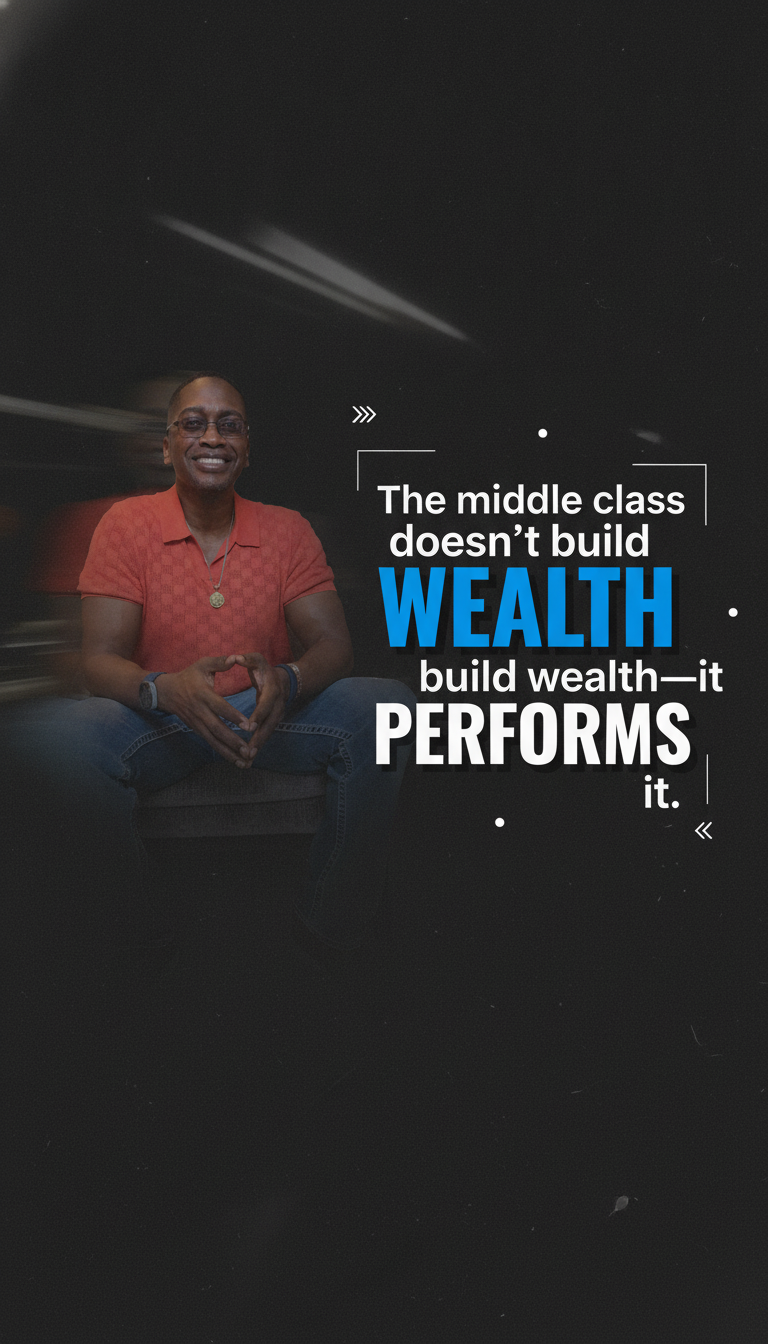
This disconnect isn't about financial literacy or intelligence. It's about conflating two fundamentally different concepts: income and wealth. Your income is what you earn. Your wealth is what you own. And for most high earners, the relationship between these two numbers tells a story they'd rather not hear.
The Six-Figure Trap
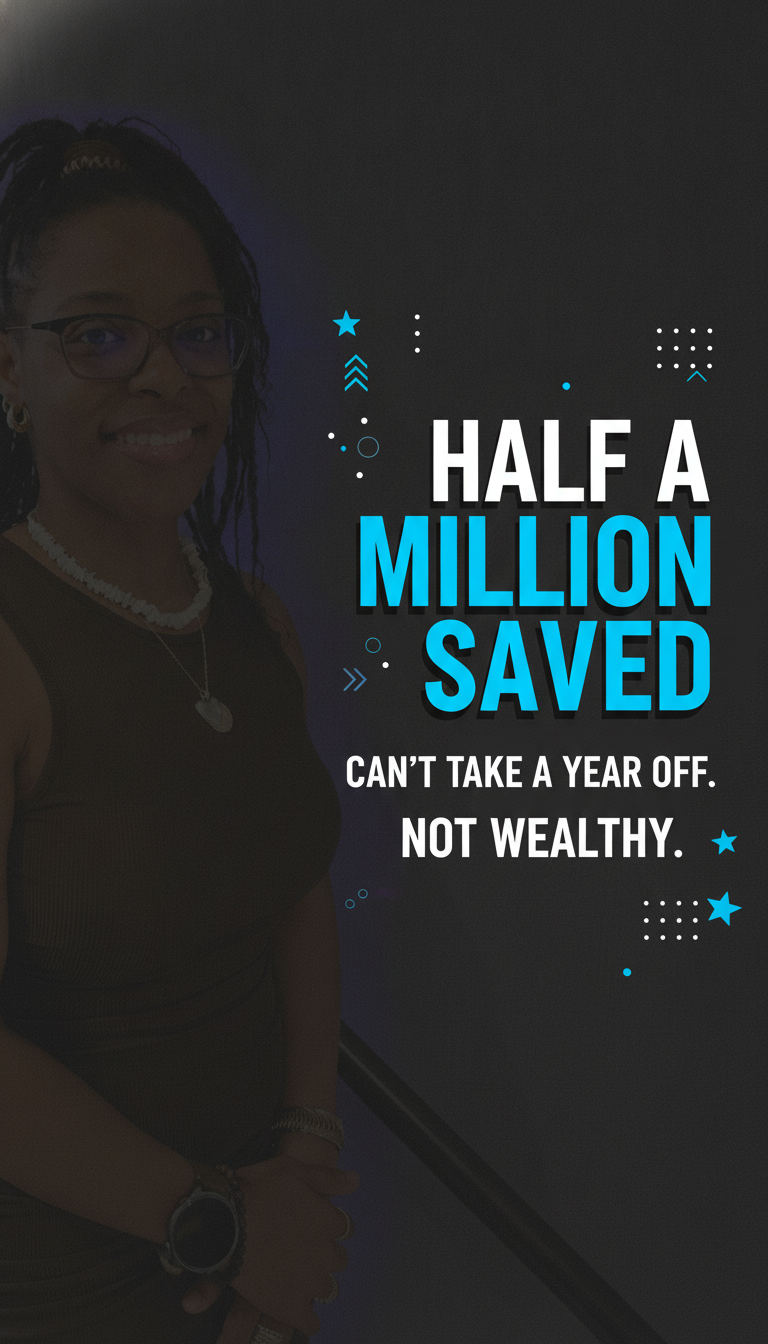
A $200,000 salary places you in the top 10% of American earners. It should mean financial security, freedom, optionality. Yet research consistently shows that income level correlates poorly with actual financial resilience. A 2023 survey found that nearly half of six-figure earners live paycheck to paycheck, with less than three months of expenses in accessible savings.
How does this happen? The mechanics are straightforward. As income rises, lifestyle expenses tend to rise in lockstep—sometimes faster. The nicer neighborhood comes with higher property taxes. The luxury car carries a premium insurance rate. Private schools, international vacations, and weekend getaways at boutique hotels become not splurges but baseline expectations. Meanwhile, the high earner remains on the same treadmill: trading hours for dollars, skills for salary, time for money.
The paycheck feels like proof of financial success. It isn't. It's proof of employability, which is an entirely different thing. Employability can vanish with industry disruption, corporate restructuring, or a dozen other factors beyond your control. Wealth, properly constructed, is what remains when employability ends.
What Wealth Actually Looks Like
Real wealth isn't measured in annual income. It's measured in time: specifically, how long your existing assets could sustain your current lifestyle without any additional labor income. Some financial planners call this your "runway." Others call it financial independence. Whatever the term, it's the only number that actually measures your economic freedom.
Wealth takes three primary forms: assets that appreciate (real estate, equity investments, ownership in businesses), assets that generate income (dividend stocks, rental properties, royalties), and assets that do both (index funds, well-chosen growth stocks). Notice what's absent from this list: your salary, your job title, your professional reputation. These things can help you build wealth, but they aren't wealth themselves.
The wealthiest people you know—genuinely wealthy, not just high-earning—have made this transition. They've moved from renting out their time to owning assets that work independently of their daily effort. Their money compounds while they sleep, vacation, or pursue projects that may never generate income. This isn't about privilege or inheritance, though those can certainly help. It's about directing income toward wealth-building with the same intensity most professionals direct toward career advancement.
The Audit You Haven't Done Yet
Most high earners track their income meticulously. They know their gross salary, their effective tax rate, their quarterly bonus structure. But they've never calculated their actual wealth position with the same precision. They don't know their true runway. They haven't mapped the gap between their current trajectory and genuine financial independence. They're flying blind while assuming their altitude is safe because the salary feels substantial.
This isn't comfortable territory for successful people accustomed to excelling at complex challenges. Confronting the gap between income and wealth means acknowledging that professional success hasn't automatically translated into financial security. It means recognizing that the metrics you've been optimizing—job performance, salary growth, career advancement—are only part of a larger equation you may have been neglecting.
That recognition, uncomfortable as it may be, is also the starting point for something better. You can't build wealth until you know precisely where you stand. The free Life and Wealth Audit at palymorf.com is designed for exactly this moment—to give you a clear, unvarnished picture of your actual financial position, not the one your paycheck implies you have. It asks the questions most high earners avoid until a crisis forces the issue. Better to ask them now, when you still have time to close the gap.