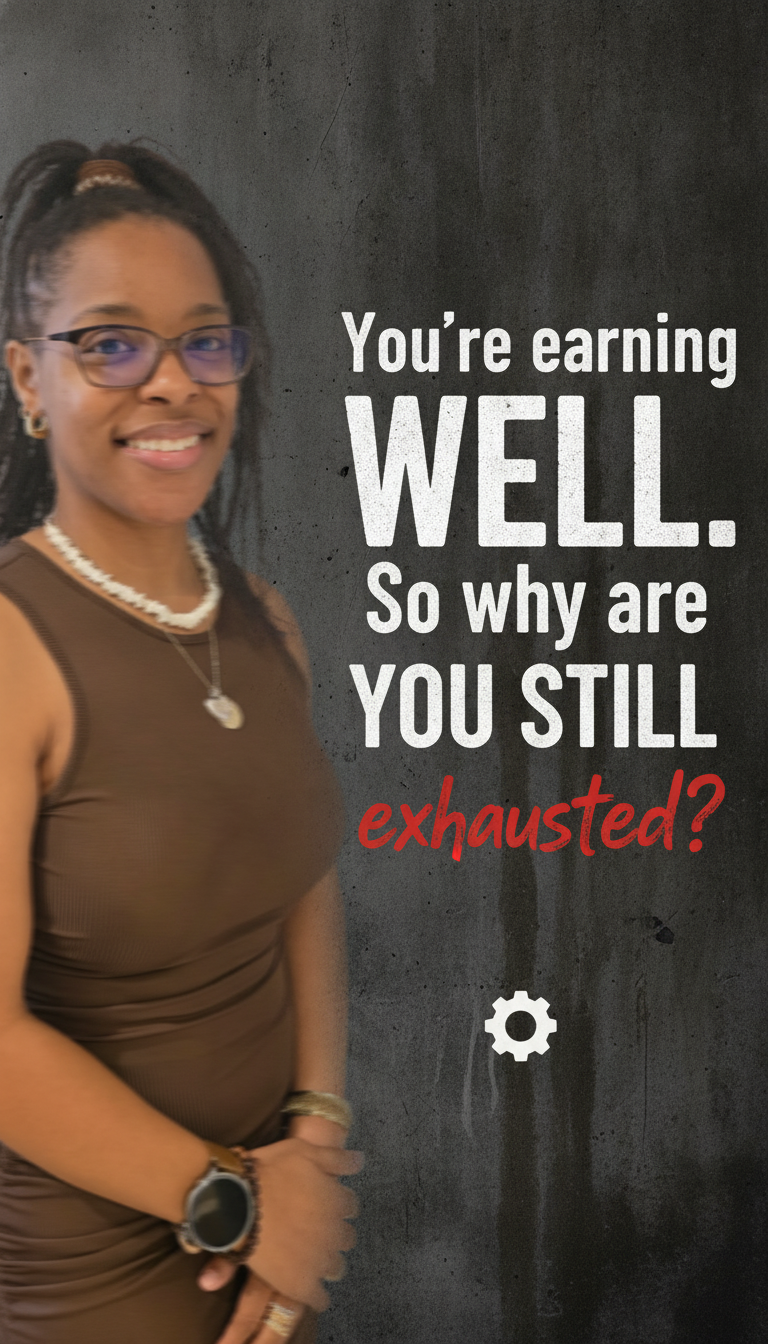
There's a particular kind of success that looks exceptional on paper but feels suffocating in practice. You've built real wealth—multiple six figures, perhaps seven. Your income is strong. Your decisions have been sound. Yet you can't take two weeks off without everything threatening to unravel. You're not failing. You're just stuck.
This pattern appears constantly in wealth audits: individuals who score remarkably high on wealth accumulation but disturbingly low on the systems that sustain it. The gap between these two metrics reveals something uncomfortable—you've succeeded financially, but you haven't succeeded structurally. Your wealth requires your constant presence. Every revenue stream flows through you. Every decision waits on you. You're not the architect of a system; you're the system itself.
The Difference Between Wealth and Wealth Systems
Wealth is what you've accumulated. Wealth systems are what accumulate without you. The distinction matters more than most high earners realize. A surgeon earning $800,000 annually has built wealth through skill and dedication, but if every dollar requires her to be in the operating room, she hasn't built a wealth system—she's built an extremely well-compensated job. The same applies to the consultant whose clients will only work with him personally, or the business owner whose company grinds to a halt whenever she's unreachable.
Systems thinking means building infrastructure that functions independently of your direct involvement. It means investments that compound without your attention. Revenue sources that don't require your daily participation. Processes that run smoothly whether you're present or on a beach in Southeast Asia. This isn't about laziness or delegation for its own sake—it's about creating genuine optionality in your life.
Why High Earners Stay Trapped
The paradox is that success itself becomes the obstacle. When you're exceptional at generating income through personal effort, the opportunity cost of stepping back feels enormous. Why spend three months building a system when you could earn $150,000 in that same time doing what you already do well? This calculation makes rational sense in the short term. It's quietly devastating over years.
High earners also tend to trust themselves more than they trust systems. You've succeeded by being personally excellent, personally reliable, personally indispensable. Letting go means trusting that something other than your direct involvement can maintain quality and results. That psychological shift is harder than any spreadsheet makes it appear.
There's also the identity component. If you've built your self-concept around being the person who makes things happen, who solves the hardest problems, who clients specifically request—stepping back can feel like losing relevance. But there's a difference between being irreplaceable and being trapped. One is valuable. The other is simply expensive.
What Low Systems Scores Actually Cost You
The cost isn't just hypothetical freedom you might want someday. It's immediate and compounding. Without systems, your wealth is fragile—one health crisis, one burnout, one market shift that demands your reinvention, and everything wobbles. Your earning power has a biological expiration date, but proper systems don't.
There's also the opportunity cost of attention. When you're the bottleneck, you can't pursue the next level of wealth creation because you're too busy maintaining the current level. You're running to stay in place. Meanwhile, those with robust systems can compound both wealth and opportunity—they're free to pursue asymmetric bets, strategic relationships, and long-term plays that people stuck in operational quicksand simply can't access.
Perhaps most significantly, without systems you never truly own your time. Wealth that depends on your presence isn't wealth—it's golden handcuffs. You might have a higher net worth than most, but you have less freedom than you did before success arrived.
Building What Actually Lasts
Transitioning from personal wealth generation to systematic wealth generation requires deliberately building infrastructure in three domains: financial systems that generate returns independently, operational systems that deliver value without your direct involvement, and knowledge systems that capture your expertise in transferable formats.
This might mean finally setting up that investment portfolio structured for genuine passivity rather than active management. It might mean systematizing your business operations so client delivery doesn't require you personally. It could mean creating intellectual property, building teams with real authority, or restructuring how you sell time and expertise. The specifics vary, but the principle doesn't: your wealth should be building infrastructure that outlasts your attention span.
For those serious about this transition, the structured accountability of working with others navigating the same shift often accelerates progress that's easy to postpone when you're working alone.
The gap between wealth accumulated and systems built is one of the most revealing metrics in a comprehensive financial life audit. If you're curious where you actually stand—whether you've built wealth or simply built an exhausting job that pays well—the clearest starting point is measurement. A thorough assessment of both your financial position and the systems supporting it will show you exactly where the bottlenecks are before you spend another year trapped in patterns that look like success but feel like constraint.